
From research to improvement,
we work with you.
SYSLABO also takes on research, design and development, and checks the results with you. We agree on scope and sequence to fit your current stage and team, leaving deliverables and records that help you decide what to do next. Beyond improving existing AI and systems, we also consider new services offered under your brand with you, from the idea stage.
At each step, we prepare what you need for the next decision.
We agree where to begin and how to share the work around your current situation.
STEP 1
Review your goals and what you already have
We hear what you want to achieve and review any designs, test results, prototypes and current environment you have. With the people already involved, we clarify the background and design intent, and identify what can be retained and what needs to be added.
Designs, test results and prototypes
- What to retain
- What to add
What this helps you decide
What to build on in the next phase.
If you are planning a new service
For a new service, we confirm who it is for, in what situations and what you want to offer.
STEP 2
Investigate the work and its challenges
We examine real cases and documents, including decision criteria, the data in use, access permissions and system connections. We distinguish confirmed causes from issues that need further investigation.
Work, data, access rights and integrations
What this helps you decide
What to change and what to investigate further.
STEP 3
Define the first scope and explain the cost
We agree on the initial use cases and features, conditions for starting use and operational responsibilities. We explain the assumptions behind cost and schedule estimates and when additional costs may arise.
If the assumptions behind an estimate change, we set out the additional work required and its effect on cost and schedule. We present options such as narrowing the scope, deferring the work or proceeding now, and confirm the approach with you before starting any additional work.
Scope, conditions and estimates
What this helps you decide
What to fund now and when to consider further investment.
If you release it as your own service
For a service you offer, we also decide the first functions to release, the intended users and who handles questions and updates after launch.
STEP 4
We build and test with real cases
We take on design, modifications and system integration. We test with actual documents and cases, use the findings to make changes, and share unexpected results and issues on our side.
Features built and results checked
What this helps you decide
What is ready for use and what still needs work.
STEP 5
Leave knowledge and practical guidance with your team
We agree on which deliverables to share, then hand over code, design documents, evaluation records and operating procedures. We explain the reasons behind technical and design choices and review with you the work your team will take on.
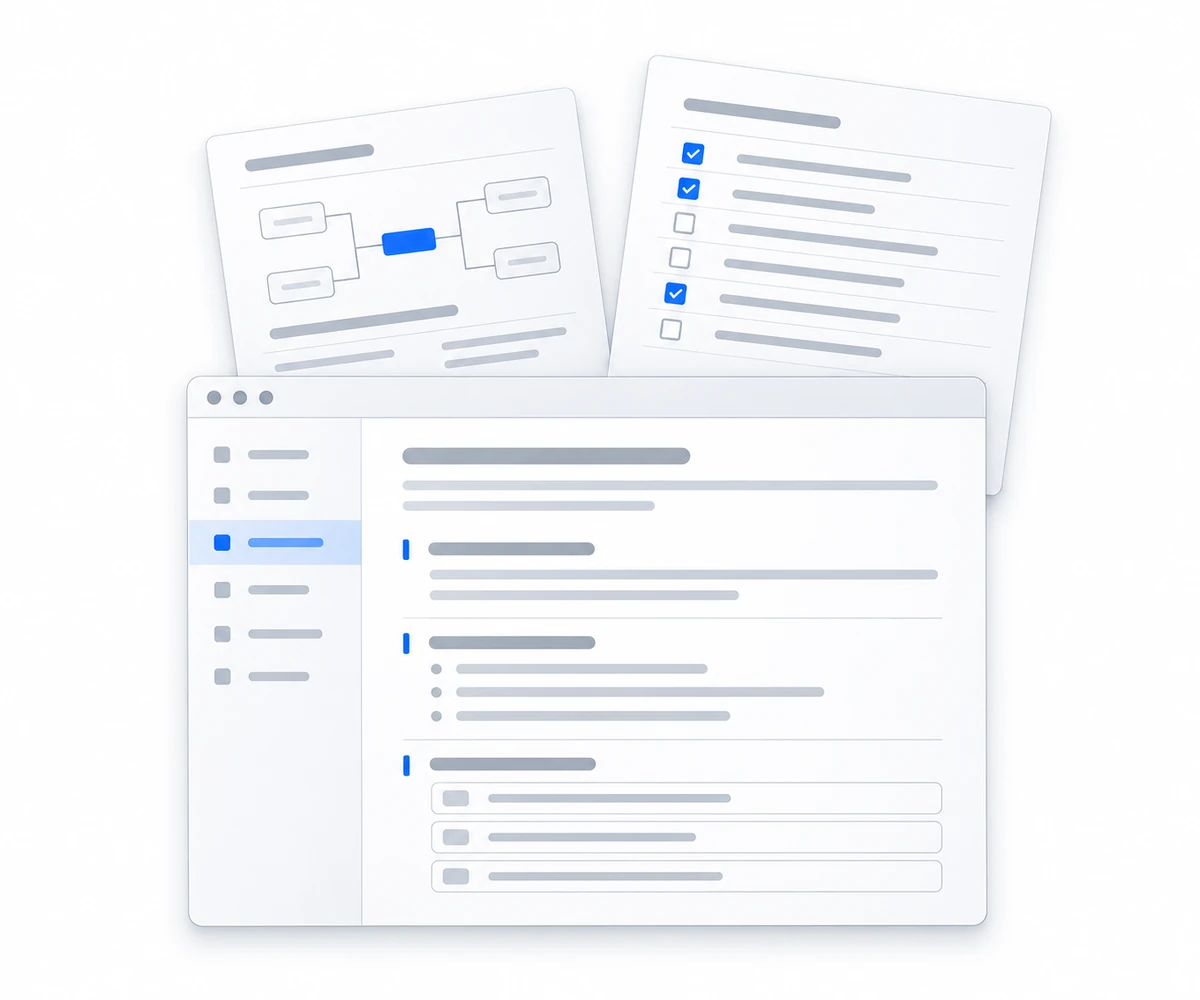
Code, design documents, evaluation records and procedures
What this helps you decide
What your team can handle and where specialist support is needed.
STEP 6
Use costs and results to choose the next step
We review results, the effort needed for corrections and ongoing costs. Together, we decide where to continue joint development, what your team will handle and where our support can conclude.
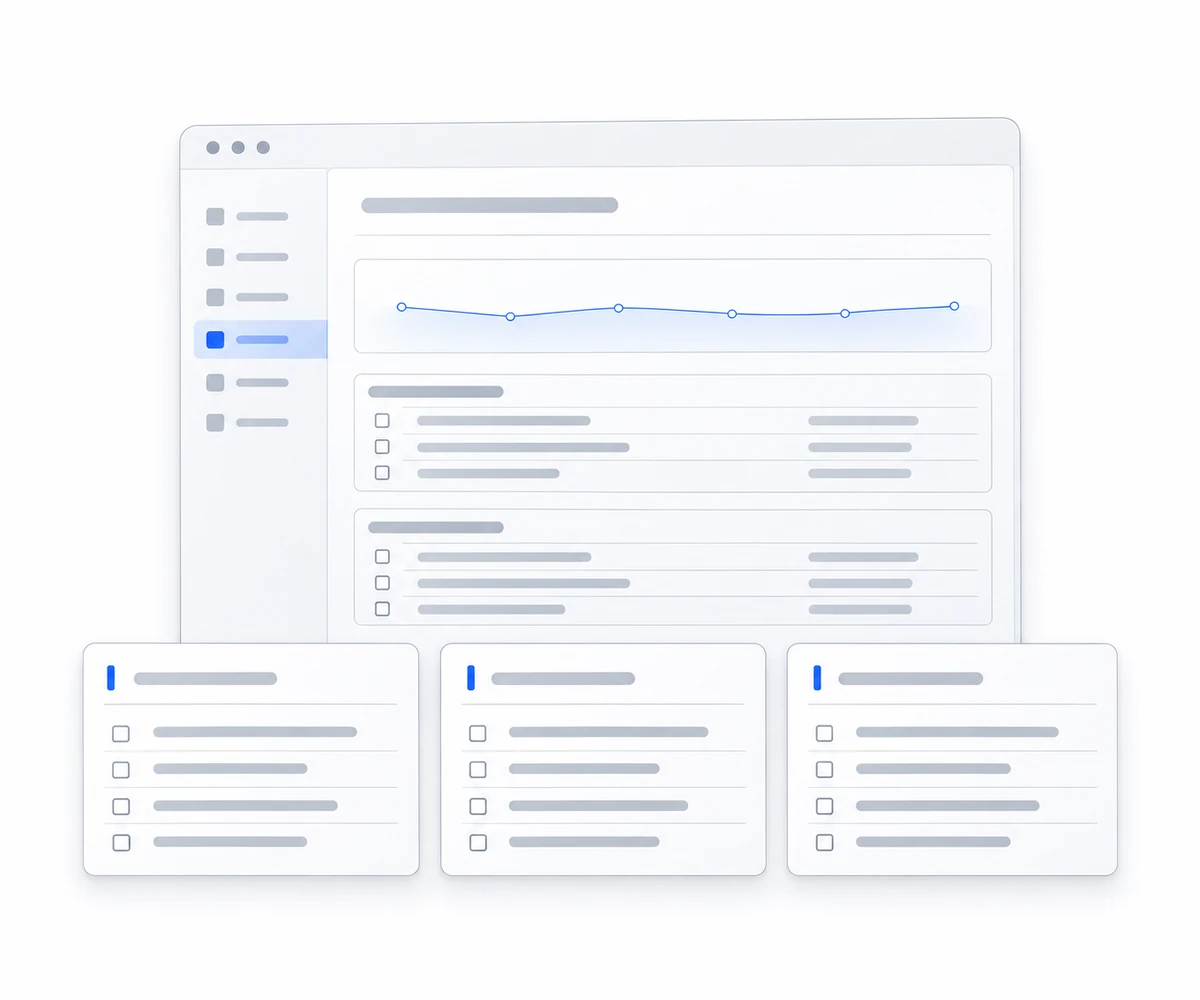
Continue together, take it on yourselves or end support
What this helps you decide
How support should continue and what to develop next.
We also fix what proves hard to use after launch, together with you.
Before the AI goes into use, we agree with you on where and how it will be used. Following the way the work is actually done, we set out who reviews the AI output, how it is used in the next task and whom to consult when a decision is unclear.
Once it is in use, we check whether manual entry or review work has increased. If staff choose to keep their previous methods, we ask why. Based on what staff tell us and how the work is actually done, we decide with you how to improve the AI functions, the screens or the work procedures.
- 01Observe daily workEntry, checking and correcting AI answers, copying to other screens
- 02Ask staff whyTasks that take more effort, reasons for keeping old methods
- 03Decide what to fixAI functions, screens or work procedures
OUR COMMITMENT
Build the next development on the work you have done.
Proposals, test results, prototypes and the environment you use today all matter. We identify what to retain and what to add, including how to share responsibilities with existing partners.
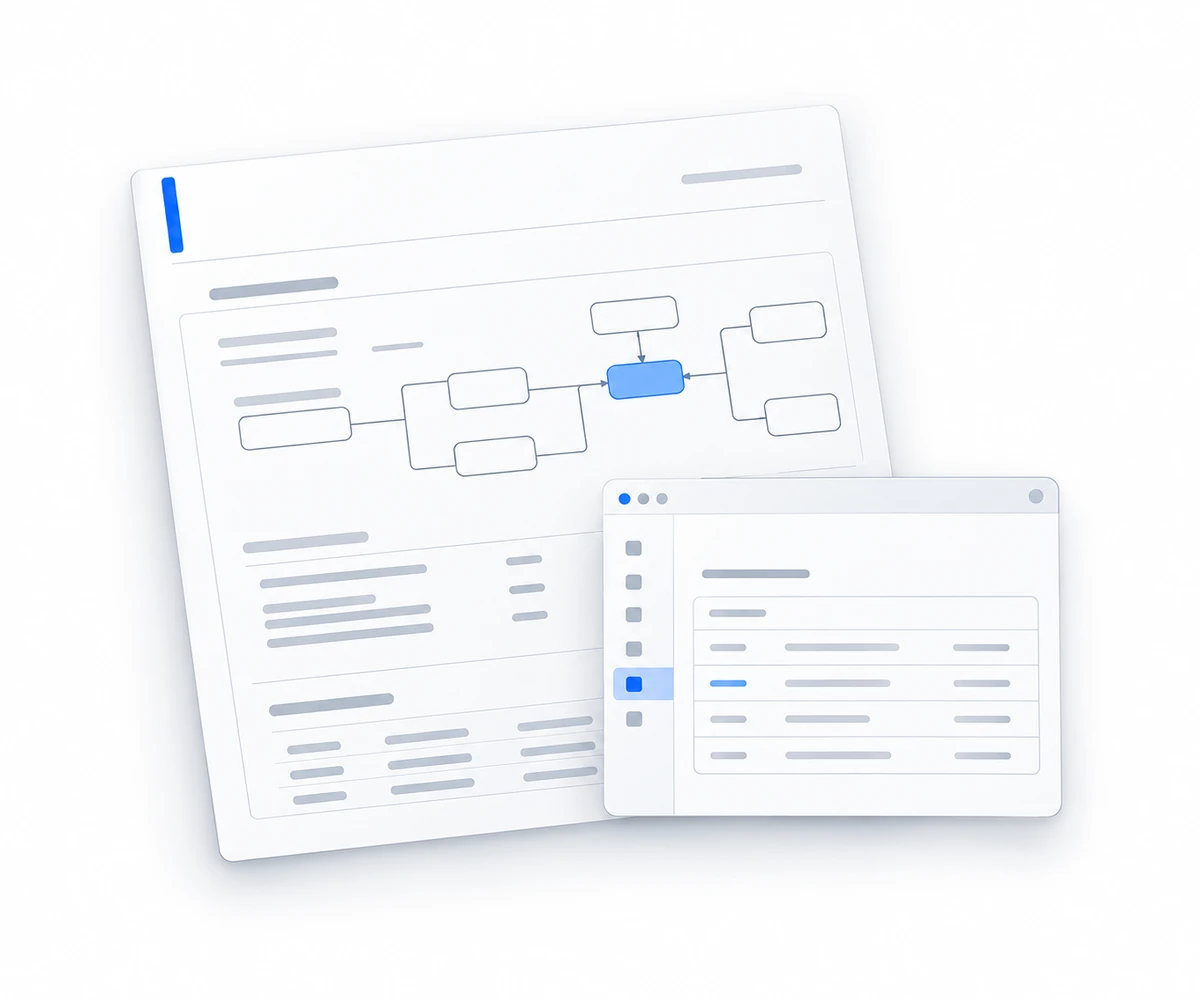
What you can discuss with us, and how we work.
Q1Can we talk before we know the cause?
Yes. Tell us about cases that fall short of expectations or work that people have to redo. SYSLABO identifies the documents and questions to examine, then agrees with you on the research, prototypes and deliverables needed.
Q2Can we work with you after support from a vendor or consultant?
Yes. We review proposals, test results, designs and the current environment to identify reusable work and remaining issues. After discussing the reasons behind earlier technical choices and responsibilities with the people involved, we define the changes, system integration and preparation for operations that SYSLABO will handle.
Q3Can we discuss a plan with a limited budget?
Yes. We discuss your budget and target timing, then compare narrowing the work in scope with adding system integration in stages. Alongside development costs, we show the work people will continue to do by hand and the operational effort, and agree with you on what to do now and the conditions for further investment.
Q4Do we need to organize all our internal documents and data before using AI?
No. We start with the documents and data required for the work where AI will be used, and the conditions for using them. We separate what to organize before use from what can be expanded later. After deciding who can view the information and who updates it, we check whether the AI can be used in that work.
Q5Can AI handle information that cannot leave our company?
You can consult us starting from how to handle it. We review your existing servers and the cloud services you use, and consider with you where information is processed, what is sent outside and which model to use. Running a model in house and using a cloud AI service call for different checks, so we explain them separately.
Q6Can we develop with you if we lack people to handle development internally?
Yes. SYSLABO can take on research and development while your team starts by confirming business conditions and reviewing functions. We agree on responsibilities that fit your team's experience and other duties, and SYSLABO can continue to handle specialist work.
Q7Can you help us explain the next investment internally?
Yes. We summarize results to date, remaining issues, next tasks and the assumptions behind cost and schedule estimates. We show measured results separately from projected benefits. We also set out the changes expected from further investment and what still needs to be verified.
Q8Can you help us use the cameras and sensors we already have?
Yes. We start with the images or readings you can access, for uses such as estimating parking availability. We check coverage, update frequency and access permissions. SYSLABO applies services such as image recognition and develops data connections, interfaces and business systems. If additional equipment or installation is needed, we separately clarify responsibilities and costs with manufacturers or specialist providers.
Q9Can we discuss developing a service to offer under our own brand?
Yes. You can talk to us about developing AI features and services offered under your brand. We support both adding functions to an existing service and developing a new one. From the idea stage, we hear who you want to serve and what you want to offer, and work out the functions and operations needed with you.
The support you need, within a clear scope.
We review costs and results rather than treating continued support as an end in itself. Together, we decide what to develop next, what your team can own and where our work can conclude.